
The Rise of Biopesticides and Bio-Based Crop Protection
Biological crop protection — products derived from bacteria, fungi, plant extracts and naturally occurring compounds — has moved from a niche category to a genuine growth area within the agrochemical industry. Tightening residue limits for export crops, rising consumer demand for low-residue produce, and government incentives for natural and sustainable farming are all accelerating adoption. But the more important story for farmers isn't replacement, it's integration.
What Counts as a Biopesticide
Biopesticides generally fall into three broad categories:
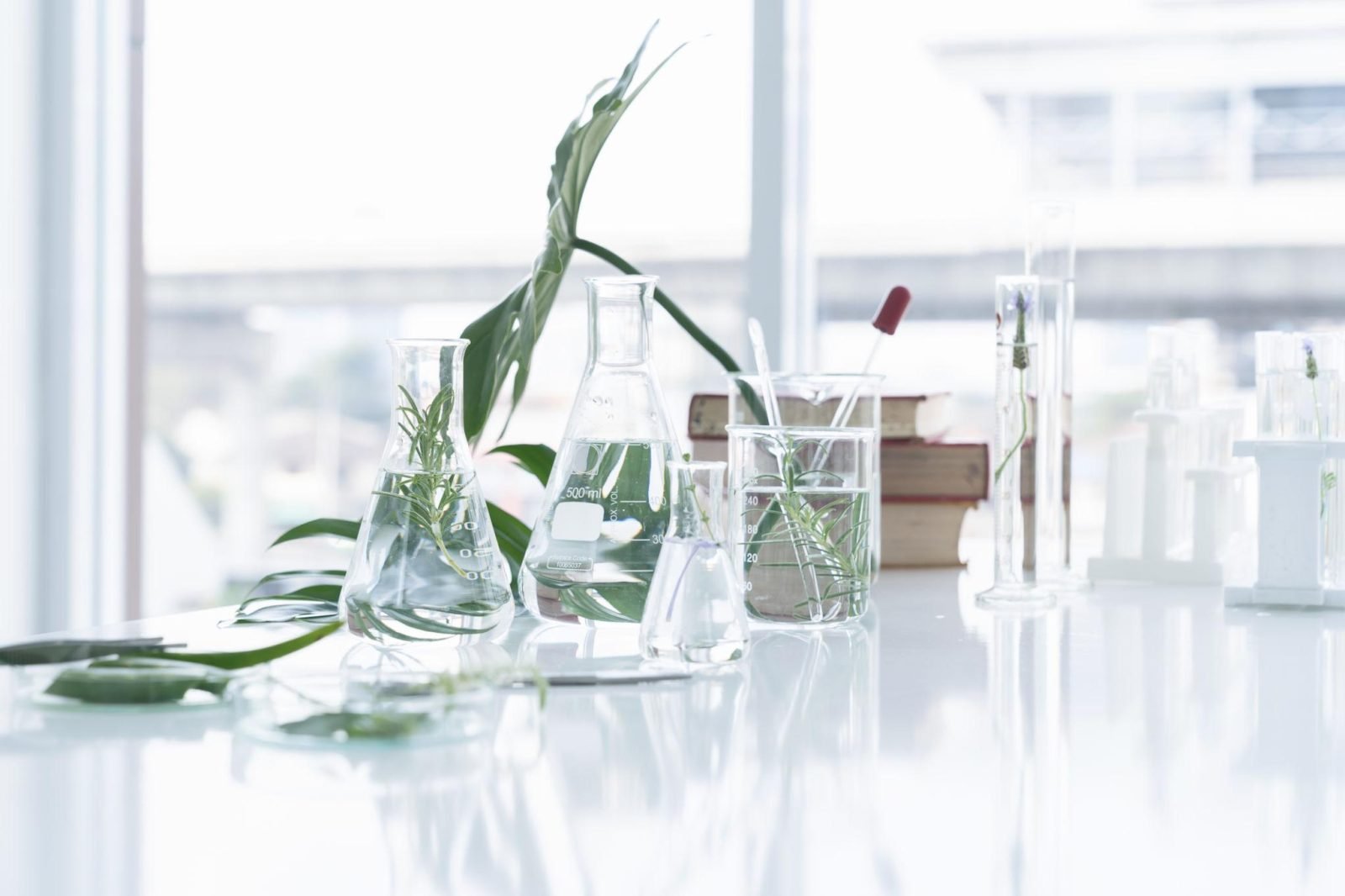
- Microbial biopesticides — based on bacteria, fungi or viruses that target specific pests or pathogens
- Botanical biopesticides — derived from plant extracts such as neem, pyrethrum or essential oils
- Biochemical biopesticides — naturally occurring substances like pheromones used for mating disruption and monitoring
Each works differently from conventional synthetic chemistry, often with a narrower target range and a different mode of action — which is precisely what makes them useful as a complementary tool.
Why Adoption Is Accelerating
Several forces are converging at once. Export-oriented crops face increasingly strict Maximum Residue Limit (MRL) requirements in international markets, making residue management a commercial priority, not just a compliance one. Domestically, natural and sustainable farming initiatives are encouraging reduced reliance on synthetic inputs. At the same time, resistance to certain chemistries in key pests is prompting agronomists to look for rotation partners with different modes of action — and biologicals fit that need well.
Bio and Chemical Together, Not Either-Or
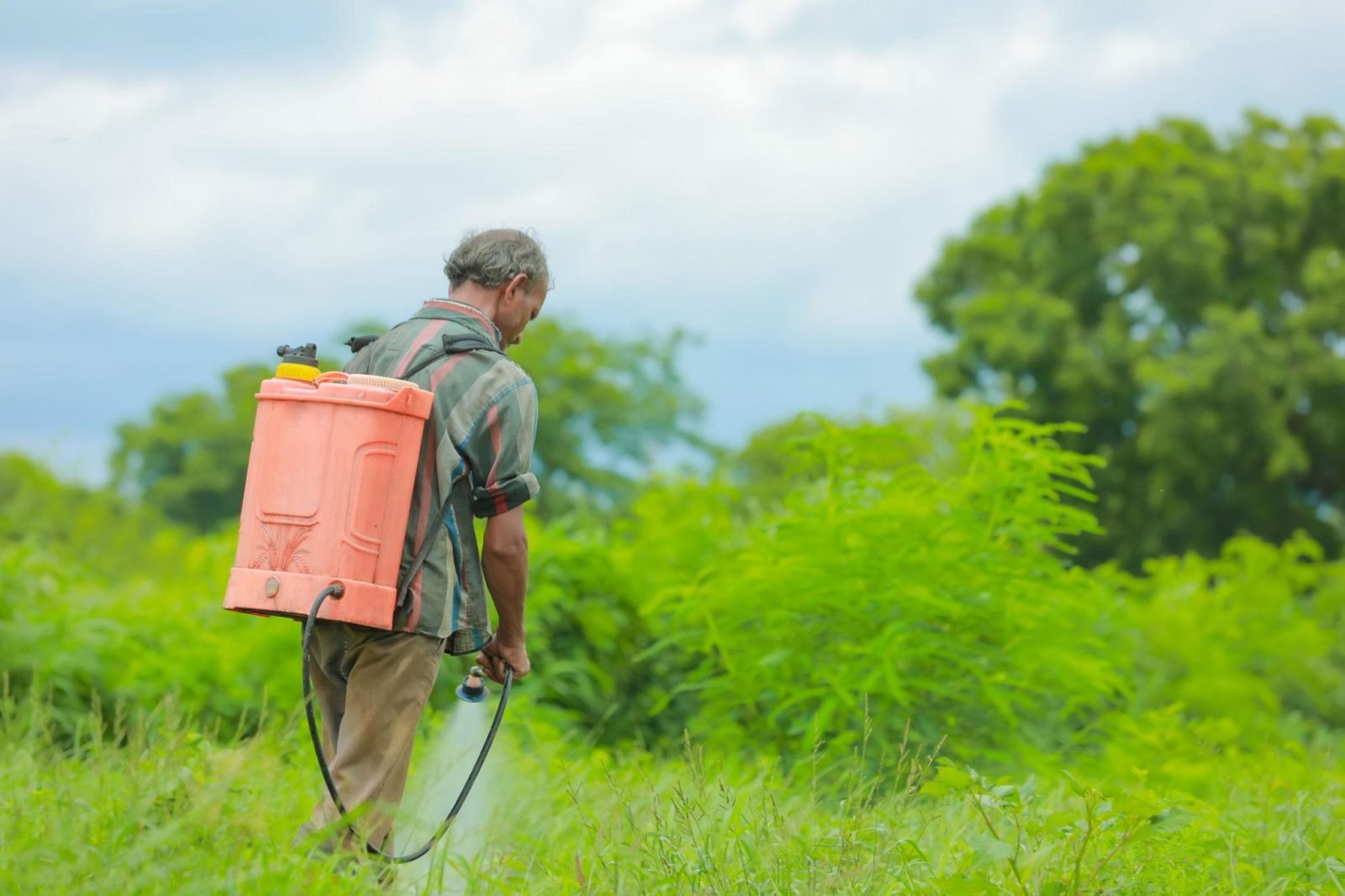
It's a common misconception that biopesticides are meant to fully replace conventional crop protection. In practice, the most effective programs combine both: biologicals used during lower pest-pressure windows or in rotation with conventional products, with synthetic chemistry reserved for high-pressure situations where speed and broad-spectrum control matter most. This integrated approach also slows the development of resistance to conventional actives, extending their useful life in the field.
Practical Considerations for Farmers
- Biological products are often more sensitive to storage conditions, UV exposure and temperature than synthetic formulations
- Timing matters more — many biologicals work best applied preventively or at early pest stages rather than after an outbreak
- Efficacy expectations should be realistic: biologicals typically act more slowly and within a narrower spectrum than broad-spectrum synthetic products
- Always check compatibility before tank-mixing biological and chemical products
Where This Is Headed
As formulation science improves shelf stability and field performance, biologicals are likely to become a standard part of most crop protection programs rather than a specialty add-on. For companies across the industry, this means continued investment in R&D that bridges biological and chemical crop protection — giving farmers more tools to manage resistance, meet residue requirements, and protect yield sustainably.
Key Takeaways
Main Driver
Tighter residue limits, natural farming incentives, and resistance management needs
Best Used As
A complement to conventional crop protection, not a full replacement
Categories
Microbial, botanical, and biochemical biopesticides
Farmer Action
- Store per label conditions (temperature/UV sensitive)
- Apply early/preventively for best results
- Check tank-mix compatibility before combining

 20 June 2026
 Meet Desai