

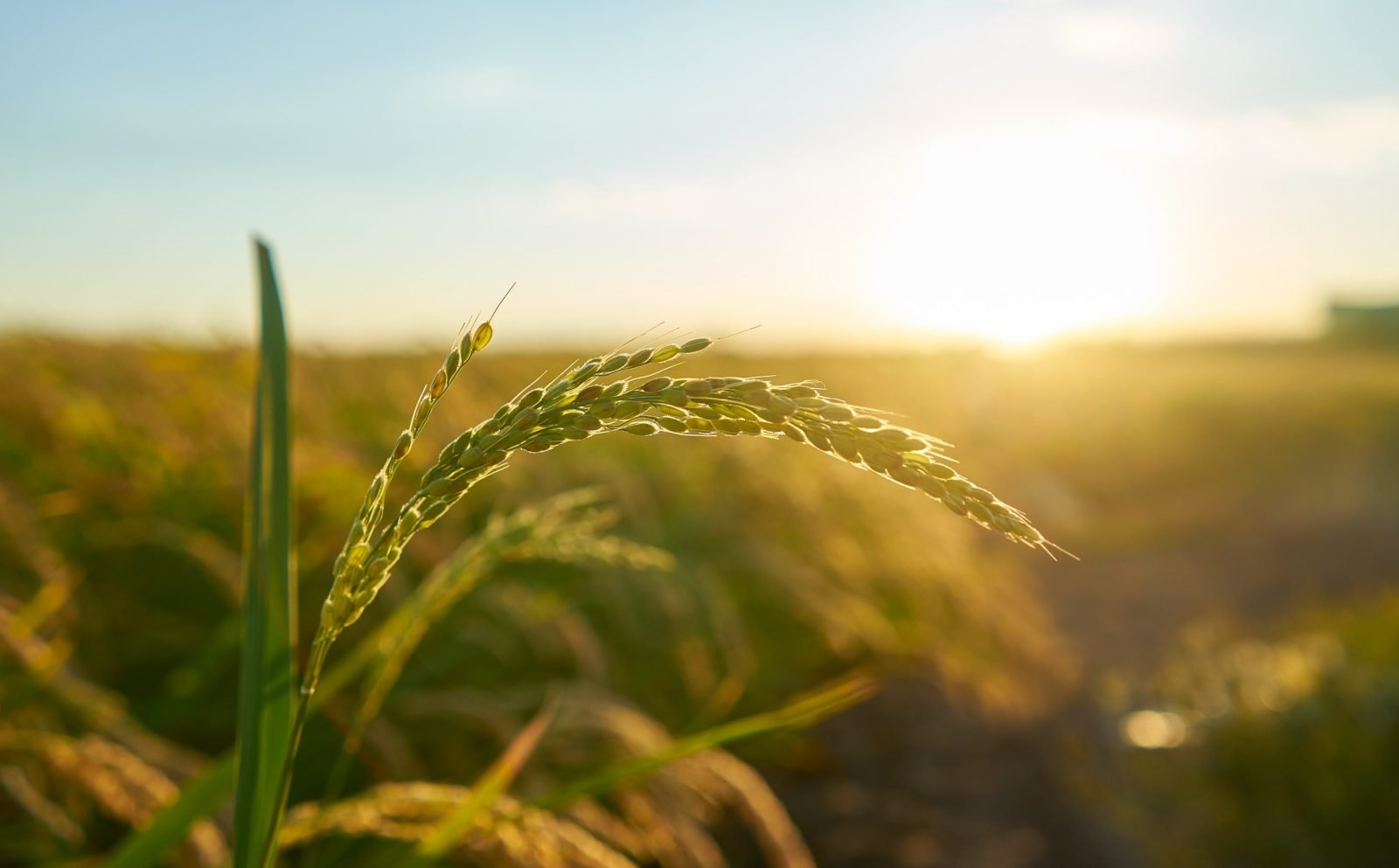

Climate-Resilient Crop Protection: Adapting to Changing Weather Patterns
Unseasonal rain, delayed monsoon onset, longer dry spells and sudden humidity swings have become the norm rather than the exception across many Indian growing regions. For crop protection, this isn't just a farming inconvenience — it directly changes which pests and diseases show up, when they show up, and how well a given product performs once it's on the leaf.
How Shifting Weather Reshapes Pest and Disease Pressure
Warmer, more humid conditions extend the breeding season for many insect pests and create ideal conditions for fungal disease outbreaks. Regions that historically saw limited pressure from certain pests are now reporting earlier and more frequent infestations, while erratic rainfall patterns are linked to unpredictable disease flare-ups that don't follow the traditional crop calendar. Staying ahead of this requires more frequent field scouting and less reliance on fixed, calendar-based spray schedules.
Why Rainfastness Matters More Than Ever
A product that performs perfectly in trials can still underdeliver in the field if it washes off before it has time to act. As unseasonal and unpredictable rainfall becomes more common, rainfastness — how quickly a formulation binds to the leaf surface and resists wash-off — is becoming a more important formulation characteristic, not just a nice-to-have. The same applies to stability under high humidity and temperature extremes, both of which affect how consistently a product performs across a growing season.
Adaptive, Forecast-Linked Spray Scheduling
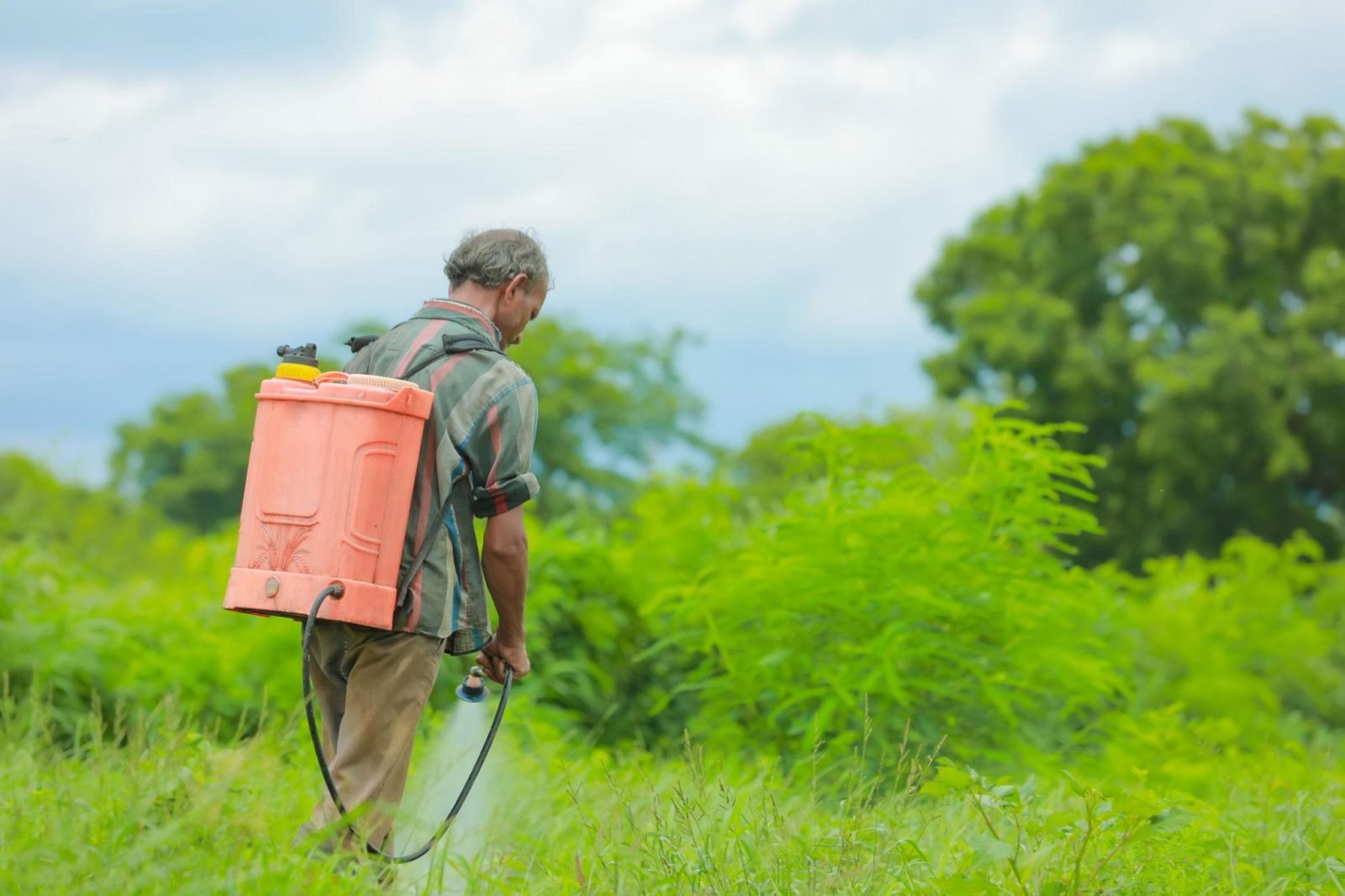
More farmers and agronomists are shifting from fixed spray intervals to weather-linked decision-making — timing applications around forecast dry windows rather than a set calendar date. This reduces wastage from rain-washed applications and improves overall efficacy, particularly for contact-based products that need dry time to establish on the leaf surface.
Building Resilience Through Diversified Chemistry
Unpredictable pest cycles also make resistance management more important, not less. Relying on a single mode of action across an unpredictable season increases the risk of resistance building up in a pest population that is already under climate-driven pressure. Rotating between different chemistries and modes of action helps maintain long-term efficacy even as pest pressure becomes harder to predict from one season to the next.
What This Means Going Forward
Climate variability is no longer an occasional disruption — it's a standing factor in crop protection planning. Products developed with rainfastness, thermal stability and broader environmental tolerance in mind will increasingly outperform those designed only for average conditions. As an industry, this calls for continued investment in formulation resilience alongside the active ingredients themselves.
Key Takeaways
What's Changing
Erratic monsoons are shifting pest and disease pressure outside traditional patterns
Formulation Priority
Rainfastness and stability under heat/humidity extremes
Scheduling Shift
Forecast-linked spraying over fixed calendar intervals
Farmer Action
- Scout fields more frequently, not just on schedule
- Time sprays around dry weather windows
- Rotate modes of action to manage resistance risk
 05 June 2026
 Ravi Solanki